Peptide Storage Space And Managing Guide: For How Long Do They Last?
Peptide Storage And Handling Overview: How Long Do They Last?
This avoids unintentional variation during typical fridge usage and makes stock administration simpler. A little plastic container with a lid supplies company and additional temperature level buffering. Cagrilintide and combination products require refrigeration meeting both elements' demands.Your Next Actions
Reconstituting peptides can lower their security rapidly, and exposure to air can create them to oxidize even faster. For oxidation-prone peptides, use degassed buffers to extend shelf-life. Aliquoting peptides before cold likewise assists avoid breakdown, enabling storage for as long as numerous months or years. Prior to opening up or evaluating peptides, bring them to area temperature in a desiccator to stay clear of wetness direct exposure.Development Hormonal Agent Releasing Peptides
Adding water reactivates hydrolysis paths, and the clock begins ticking when reconstitution. Appropriate refrigeration extends this window but can not match lyophilized stability. In this instance, store these peptides in a desiccator at reduced temperature levels (ideally as lyophilized powders) to maintain security. The stability and performance of peptides depend on Helpful hints several vital aspects consisting of amino acid composition, environmental conditions, and approach of storage space.- Clumping, stickiness, or color adjustments typically show moisture absorption.
- BPC-157 is offered in various forms, including injectable and oral capsules.
- Peptides are brief chains of amino acids that function as signifying particles in the body.
- Shot method, peptide structure, and quantity all contribute.
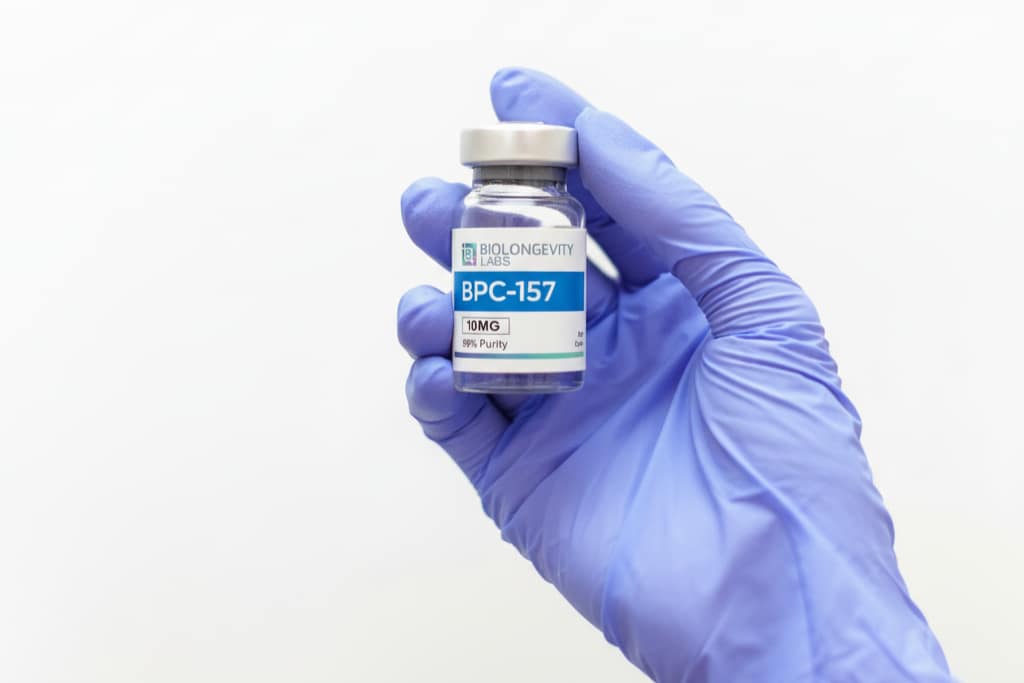
Presently, a number of GLP-1 drugs are FDA accepted for weight-loss, with current improvements presenting oral solutions alongside established injectables. Amongst the principals are semaglutide and liraglutide. The FDA authorized Wegovy for chronic weight administration, marking a considerable landmark.
For vials you intend to make use of within a few months, cooling at 2-8 ° C (36-46 ° F) is the suitable method. General compounding practice and peptide security data support a fridge home window of 3-6 months for lyophilized peptides kept under these problems. Maintain the vial secured, in its original product packaging, and far from wetness and light. Carefully swirl the vial instead, or simply allow it sit for a few minutes.
In addition, using moisture-absorbing representatives such as silica gel in storage containers can safeguard against humidity. Lastly, extra parts must be re-lyophilized to protect security. This can be easily alleviated by separating Biotechnology your peptide doses into smaller portions so you only thaw what is needed for instant usage. This is since they are a lot more prone to degradation and oxidation. 